Scientific Paper Published in Environmental Monitoring and Assessment
(24.8.2026.)
A scientific paper entitled “Polycyclic aromatic hydrocarbons, toxic and potentially toxic elements in Pelophylax esculentus complex embryos from the UNESCO-Protected Drava River Floodplain (Croatia)” has been published in the journal Environmental Monitoring and Assessment. The authors of the paper are Assistant Professor Dora Bjedov, PhD, Professor Brankica Kartalović, PhD (BioSense Institute, Novi Sad), Professor Mirna Velki, PhD, Professor Kristina Habschied, PhD (Faculty of Food Technology, Josip Juraj Strossmayer University of Osijek), Associate Professor Nataša Turić, PhD, and Assistant Professor Alma Mikuška, PhD. The paper is the result of activities carried out within the project “Pollutants as Stressors in Aquatic and Terrestrial Ecosystems” – ZASTEK, funded by the European Union through the NextGenerationEU programme. The published paper confirms the scientific productivity of the project team, while also highlighting the importance of interdisciplinary and interinstitutional cooperation among the constituent units of Josip Juraj Strossmayer University of Osijek, as well as international scientific collaboration in research on environmental stressors and their effects on ecosystems. The results achieved within the ZASTEK project contribute to the advancement of scientific knowledge relevant to environmental monitoring, assessment of the impacts of pollutants, and the conservation of protected and sensitive ecosystems.
Read more at the following link: https://link.springer.com/article/10.1007/s10661-026-15826-9?utm_source=rct_congratemailt&utm_medium=email&utm_campaign=nonoa_20260824&utm_content=10.1007/s10661-026-15826-9
Publication of results on the ZASTEK project
(8.07.2026.)
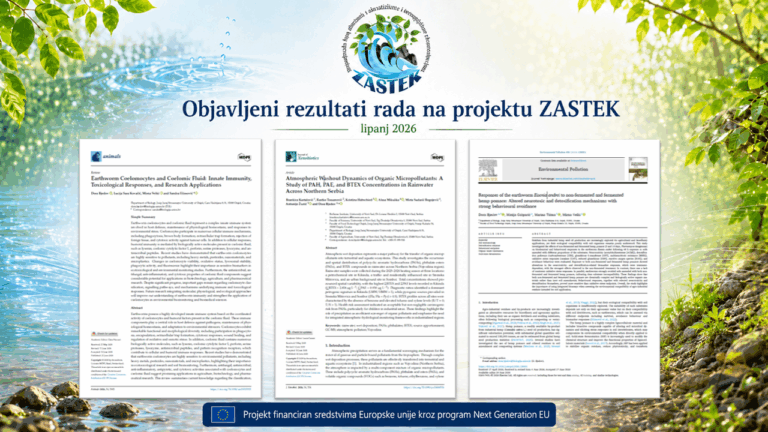
During June 2026, three scientific papers were published as a result of activities on the project “Pollutants as stressors in aquatic and terrestrial ecosystems” — ZASTEK, financed by the European Union through the Next Generation EU program. The published papers confirm the scientific productivity of the project team, but also the importance of student involvement and inter-institutional and international cooperation in research into environmental stressors.
The first paper, “Earthworm Coelomocytes and Coelomic Fluid: Innate Immunity, Toxicological Responses, and Research Applications,” was published in Animals 2026, 16, 1921; doi: 10.3390/ani16121921. The paper was published in a journal of the category Q1 with a resonance factor of IF 3.2, and was derived from the final paper of student Lucija Sara Kovačić, whose mentor is Associate Professor Sandra Ećimović, Ph.D. The paper discusses the importance of coelomocytes and coelomic fluid of earthworms in studies of innate immunity, toxicological responses, and the use of earthworms as model organisms in ecotoxicology.
The second paper, “Atmospheric Washout Dynamics of Organic Micropollutants: A Study of PAH, PAE, and BTEX Concentrations in Rainwater Across Northern Serbia”, was published in the Journal of Xenobiotics 2026, 16(3), 116; doi: 10.3390/jox16030116. The journal is also of Q1 category, with an impact factor of IF 4.6. The paper is the result of successful collaboration with colleagues from the BioSense Institute, University of Novi Sad, Faculty of Science, University of Novi Sad, Faculty of Agriculture, University of Novi Sad, and Faculty of Food Technology, Osijek. The research deals with the presence of organic micropollutants in rainwater, including PAHs, PAE compounds, and BTEX compounds.
The third paper, “Responses of the earthworm Eisenia andrei to non-fermented and fermented hemp pomace: Altered neurotoxic and detoxification mechanisms with strong behavioral avoidance”, was published in the respected journal Environmental Pollution 2026, 406, 128601; doi: 10.1016/j.envpol.2026.128601. The work was published in a magazine of category Q1, with an IF echo factor of 7.2, and was created as a result of the graduate work of student Matija Gašparić, whose mentors are Prof. Dr.Sc.Mirna Velki and Prof.Dr.Dc. Marina Tišma (Faculty of Food Technology Osijek), and the immediate supervisor is Dora Bjedov, Ph.D. The research brings new knowledge about the effects of non-fermented and fermented hemp cake on the coot, Eisenia andrei, with an emphasis on neurotoxic and detoxification mechanisms and behavioral avoidance.
These results further confirm the importance of the ZASTEK project in developing ecotoxicological research, strengthening scientific collaboration, and involving students in research on current environmental challenges.
White Stork Research within the ZASTEK Project EU
(25.06.2026.)
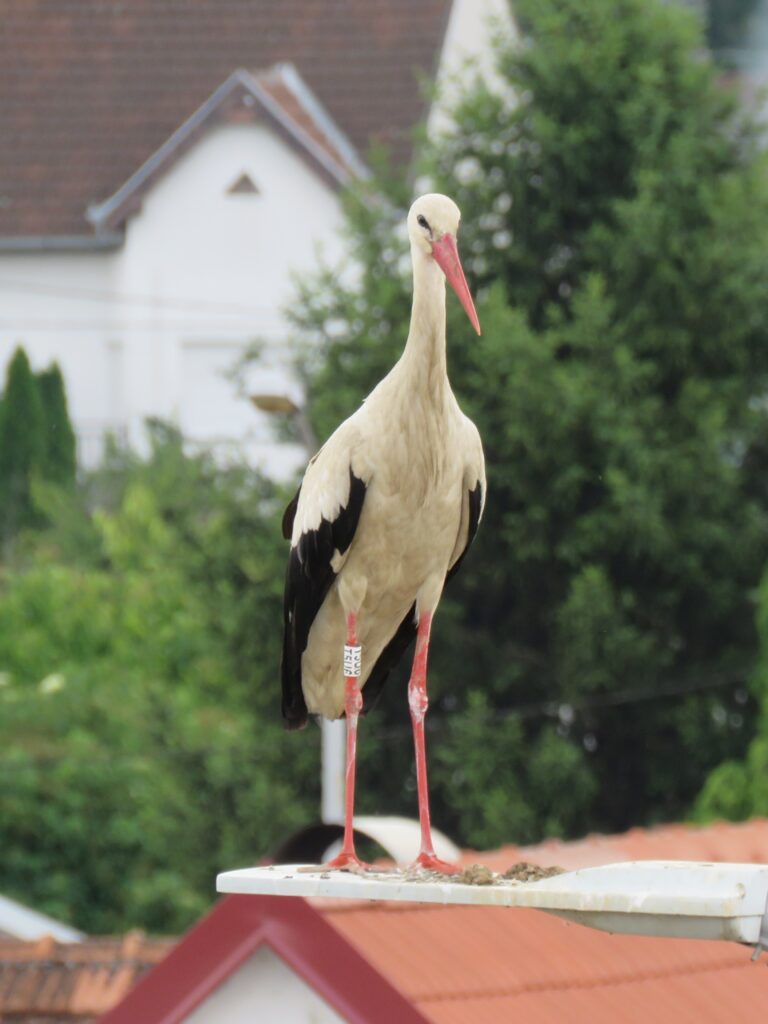
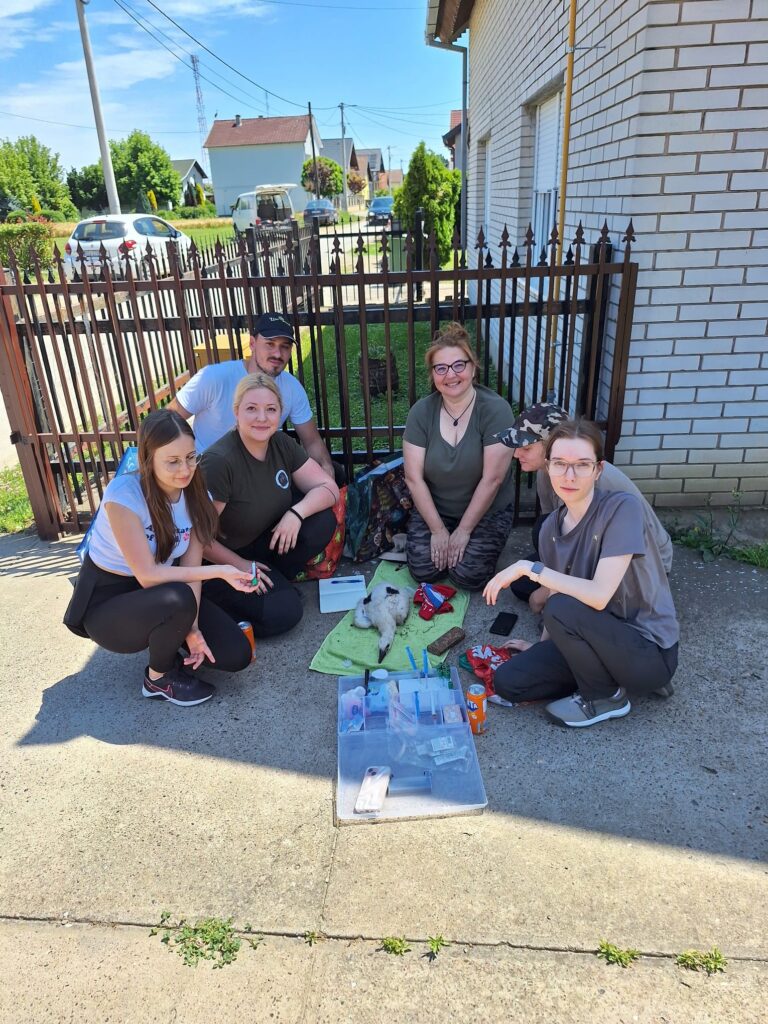
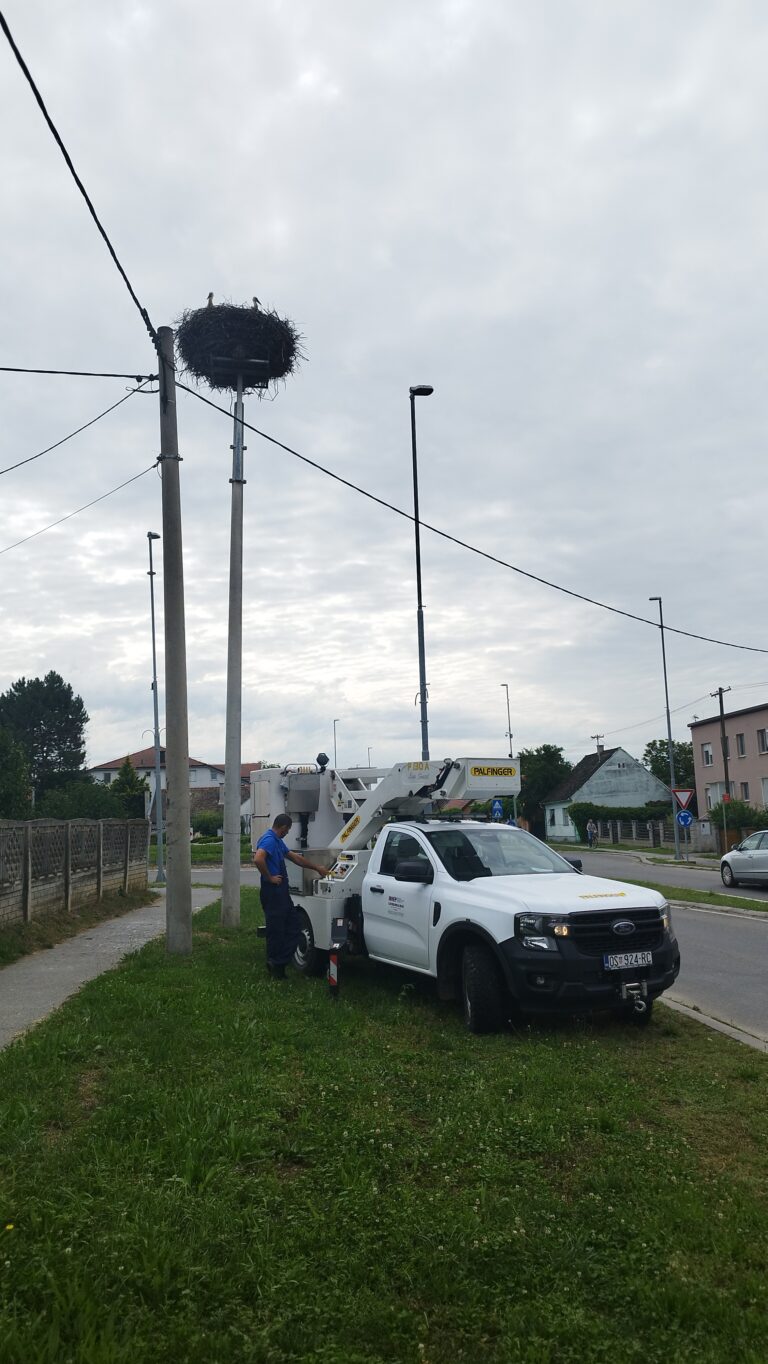
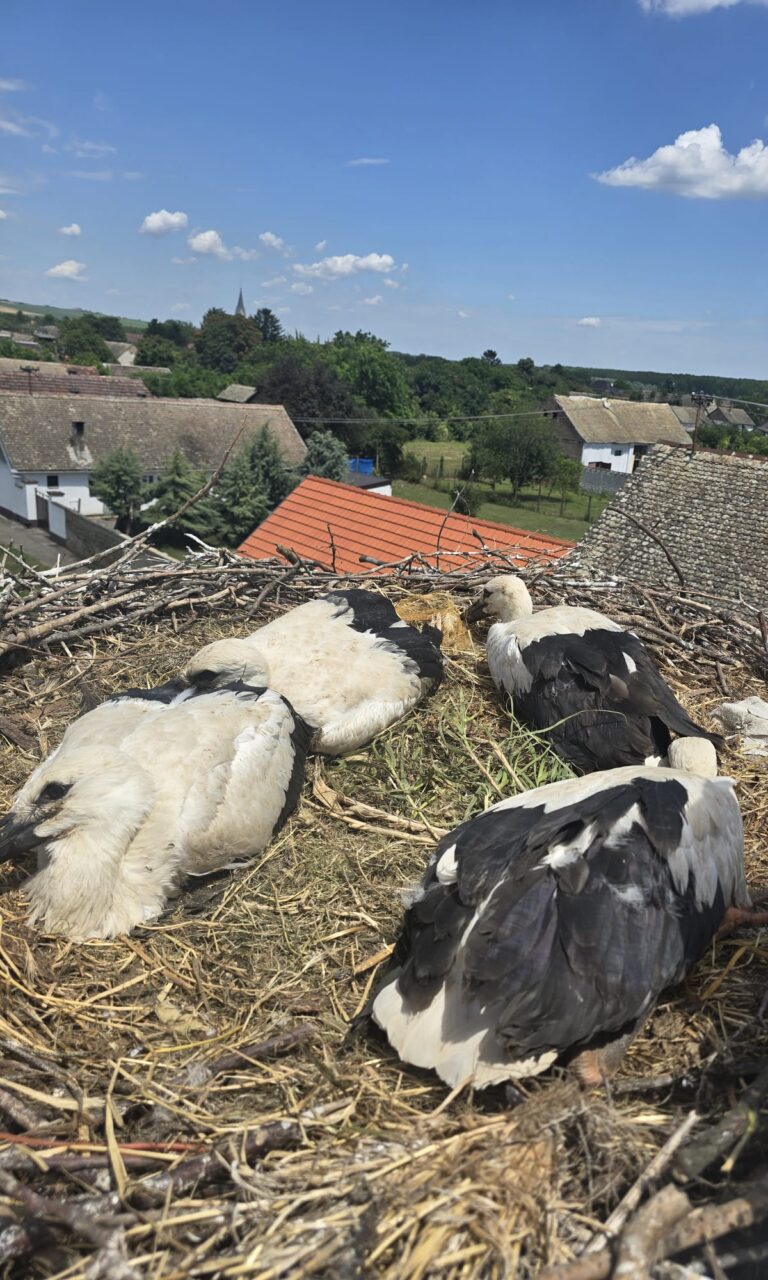
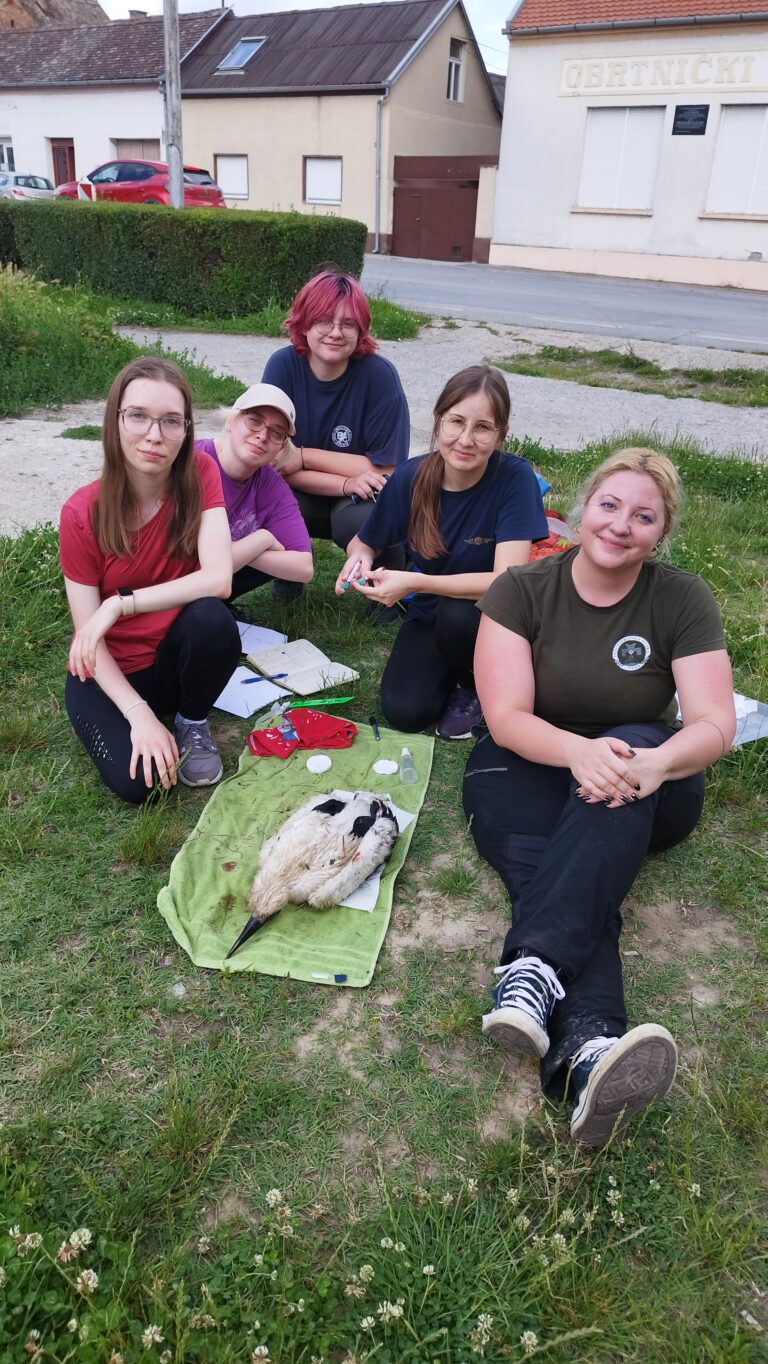
From 17 to 19 June 2026, research on White Storks (Ciconia ciconia) was conducted in Osijek-Baranja and Vukovar-Srijem Counties as part of the ZASTEK project. The activities included monitoring the breeding population, ringing nestlings, collecting morphometric data, and taking biological samples for ecotoxicological analyses. The research was carried out in cooperation with the Croatian Society for Bird and Nature Protection and the HEP Elektroslavonija Osijek Field Activities Centre. The fieldwork involved Assistant Professors Alma Mikuška and Dora Bjedov, together with students from the Department of Biology: Patrik Barišin, Ana-Marija Caha, Valentina Jurčević, Anja Vlašić, Matea Trušček, and Dora Pokas Legin. Data on nest occupancy, breeding success, and the physical condition of nestlings provide valuable insight into the status of the population. Analysis of biological samples will enable an assessment of nestlings’ exposure to pollutants and contribute to a better understanding of pollutant transfer through food webs. By participating in the research, students gained practical experience in bird monitoring, ringing, biological sampling, and the application of scientific methods in nature conservation. A particularly valuable finding was recorded in Donji Miholjac, where a stork ringed in 2021 as a nestling in Slavonski Brod was found breeding successfully. Such records provide important information on survival, movement, and the recruitment of young storks into the breeding population. The project “Pollutants as Stressors in Aquatic and Terrestrial Ecosystems” is funded by the European Union through the Next Generation EU programme.
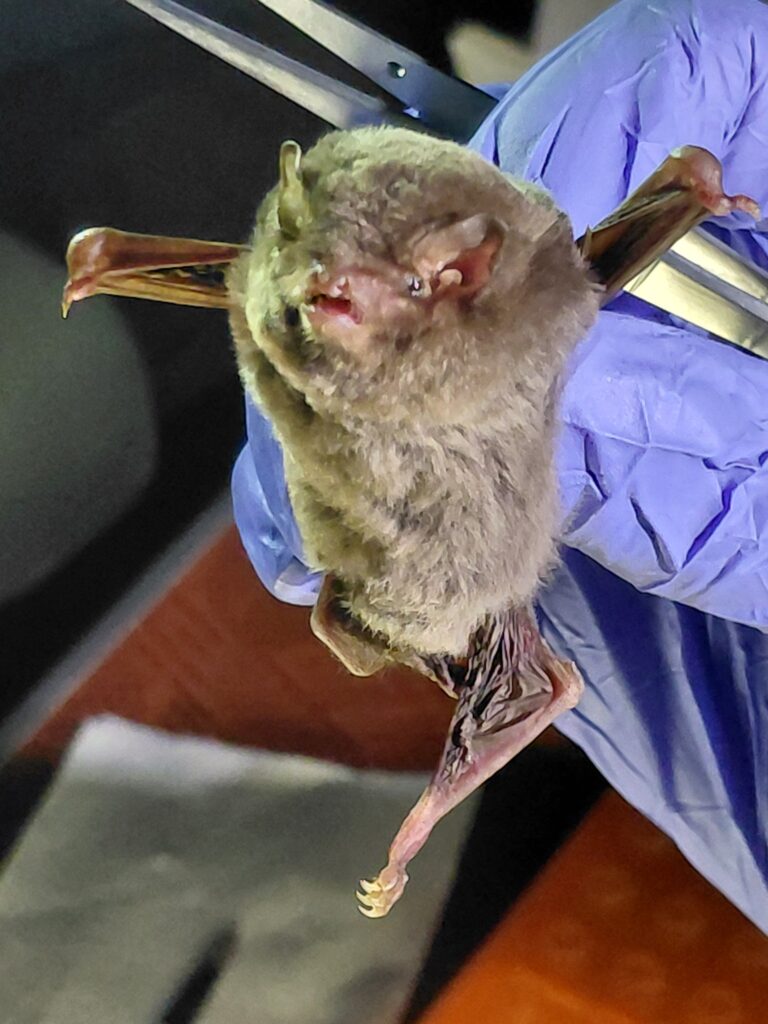
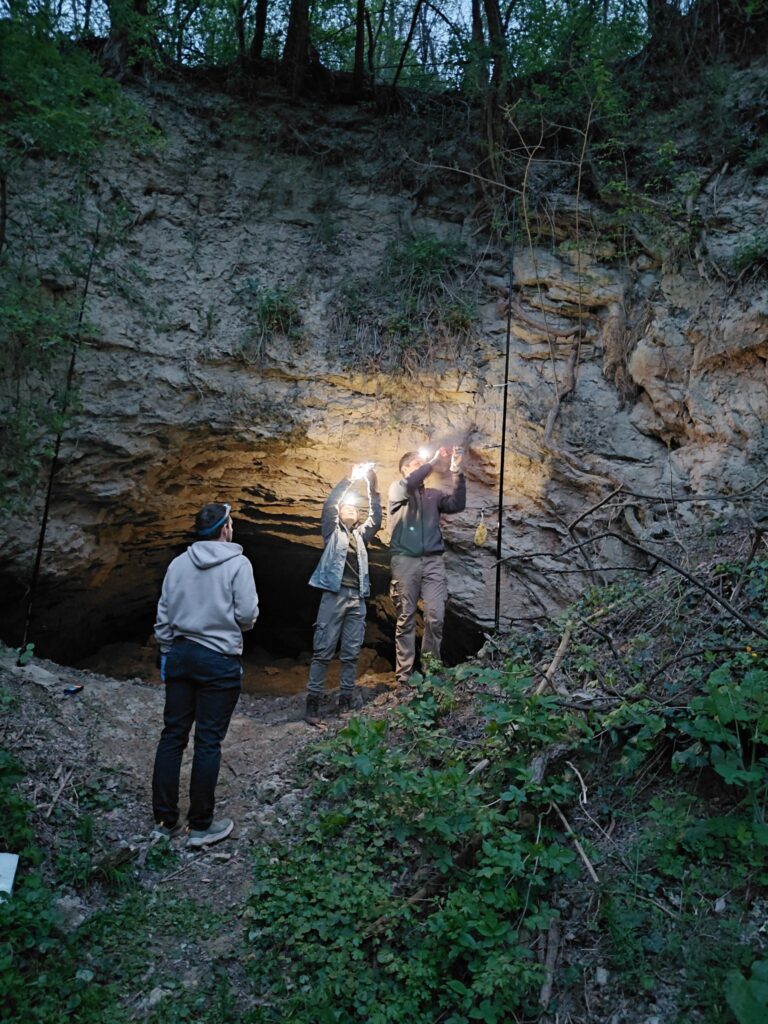
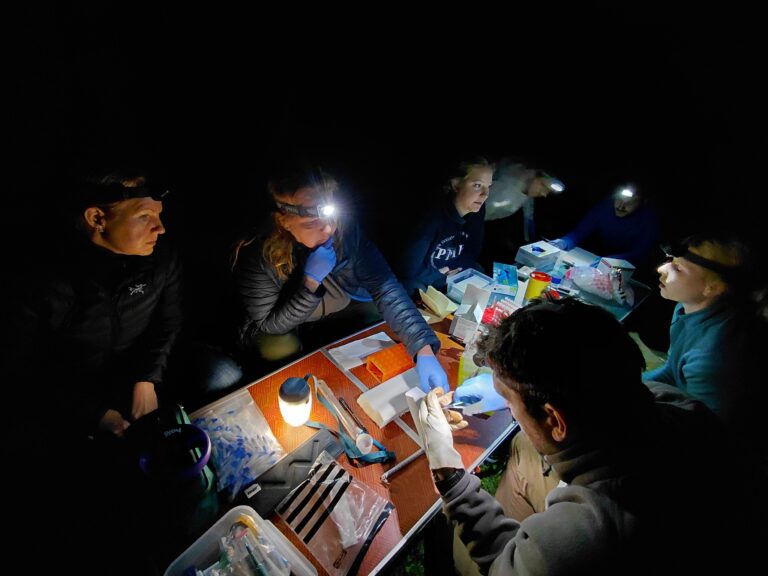
Within the framework of ZASTEK, Associate Professors Alma Mikuška and Dora Bjedov, in collaboration with the Nacionalni laboratorij za virologiju Sveučilišta u Pečuhu and the Javna ustanova Park prirode Kopački rit, conducted a field study of bats on April 14, 2026, in the Popovac mine, located on Bansko Hill within the NATURA 2000 site “Danube north of Kopački Rit”.
At the study site, a mixed bat colony was recorded, with Miniopterus schreibersii identified as the dominant species. During the evening emergence of individuals from the mine, bats were captured using standardized methods for the purpose of taxonomic identification, after which biological samples were collected. Researchers from Pécs collected blood, guano, and tissue samples for the molecular detection of Lloviu virus, a pathogen associated with mortality in certain bat populations. In parallel, Associate Professors Alma Mikuška and Dora Bjedov collected bat hair samples, which will be analyzed for mercury content and stable isotopes. The results of these analyses will enable the assessment of trophic relationships and provide insight into the ecological conditions of the habitat of the studied colony. The conducted research is of considerable scientific and conservation importance, as it contributes to understanding the health status and population dynamics of bats, which play a crucial role in ecosystem functioning, particularly in the regulation of insect populations. Furthermore, systematic monitoring of potentially pathogenic viruses, such as the Lloviu virus, is essential for the early detection and prevention of disease spread within animal populations, as well as in the context of public health. The integration of ecological and virological approaches provides a robust scientific basis for the development of effective conservation measures and the management of protected areas.
Professional training at NTNU (Norway)
Assoc. Prof. Dora Bjedov, PhD, stayed during February and March 2026 at the Norwegian University of Science and Technology (NTNU), Trondheim, Norway, as part of professional training in the fields of ecotoxicology and animal physiology. During her stay, she advanced her skills in methods for studying the impact of environmental pollutants on birds, with a particular focus on PFAS compounds. As part of her activities, she became familiar with laboratory work and safety procedures and participated in the preparation and analysis of biological samples. The professional training was carried out within the project “Pollutants as Stressors in Aquatic and Terrestrial Ecosystems” (ZASTEK), funded by the European Union through the Next Generation EU program.

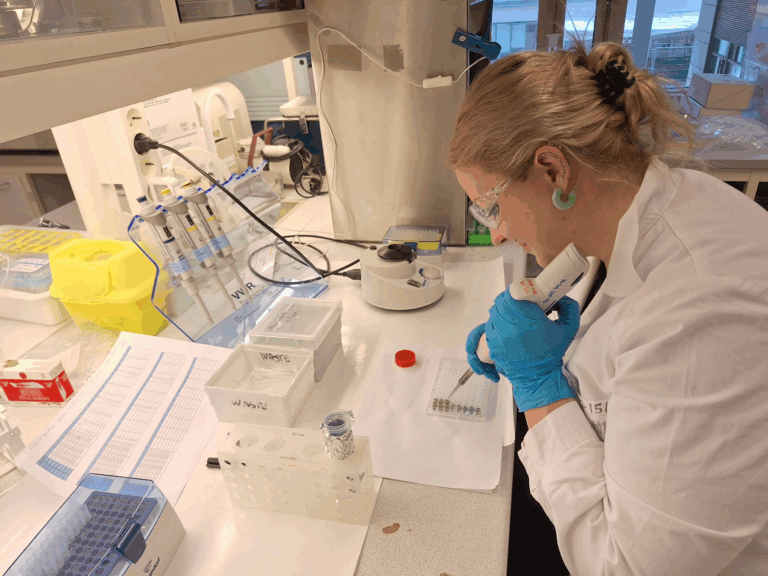
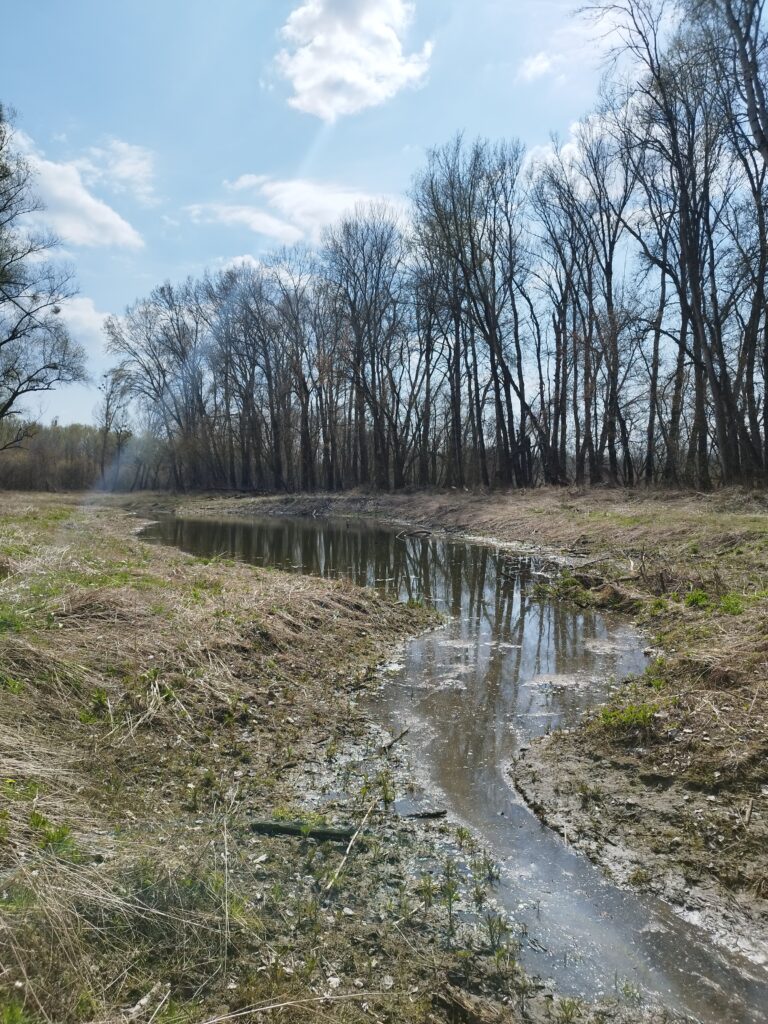
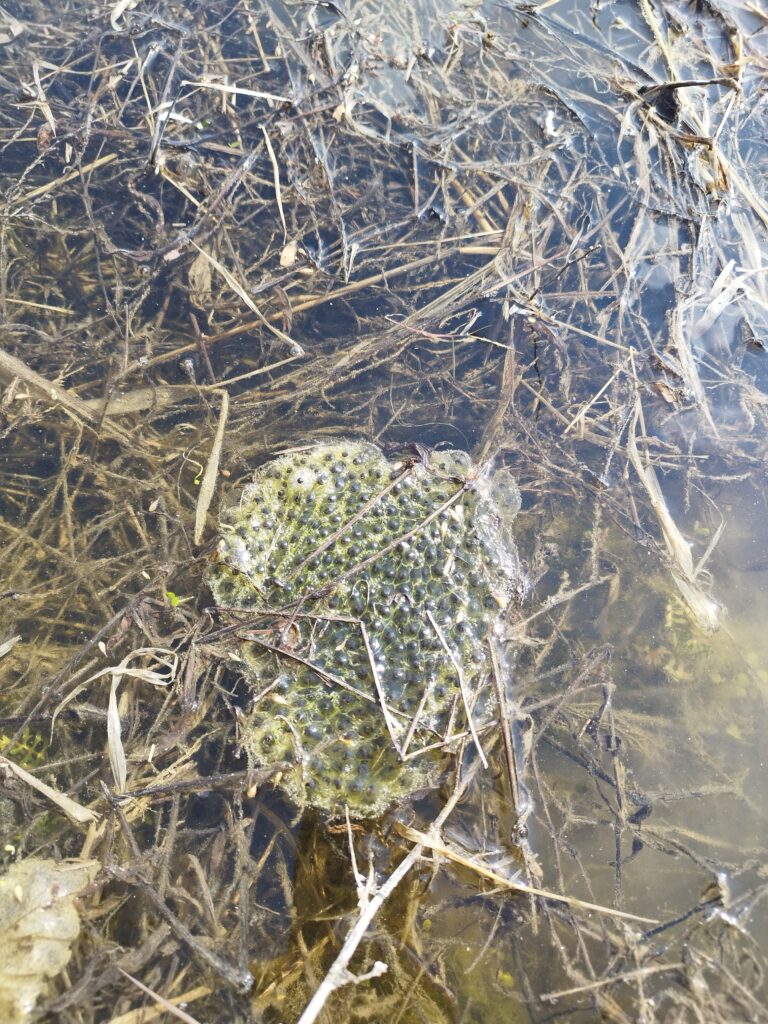
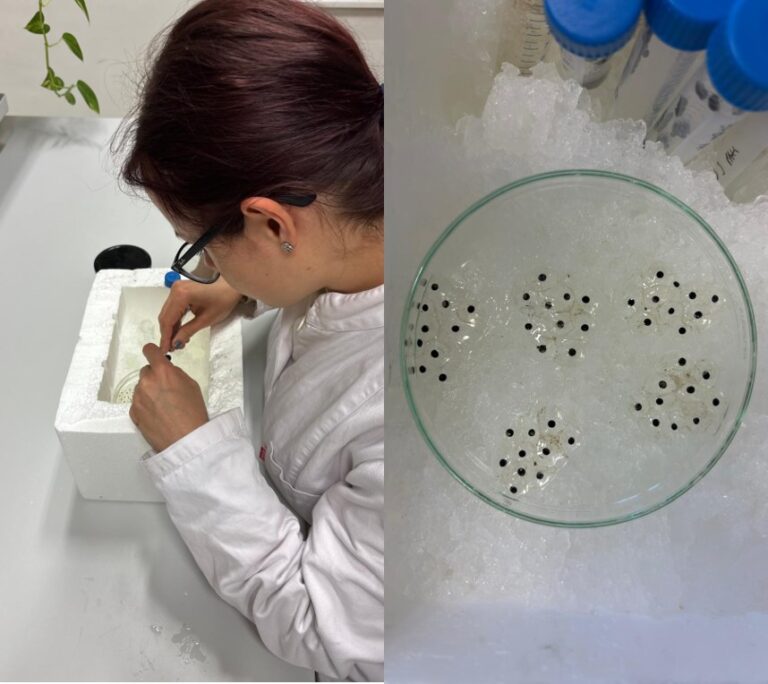
During March 2026, field and laboratory research began focusing on the impact of heavy metals and polycyclic aromatic hydrocarbons (PAHs) on frog populations.
The research is being conducted within the Mura–Drava–Danube Biosphere Reserve, including Kopački Rit Nature Park, as well as at the Natura 2000 sites Podunavlje and Donje Podravlje, and in the Spačva Basin. Amphibians are extremely sensitive to environmental changes and, due to their “dual” lifestyle—living both in water and on land—they are among the first to respond to pollution. For this reason, they serve as important bioindicators, providing early warnings of changes in environmental quality. The field research team includes Assistant Professor Alma Mikuška, Associate Professor Mirta Sudarić Bogojević, and Željko Zahirović, M.Sc. The laboratory component is carried out under the mentorship of Professor Mirna Velki and Assistant Professor Dora Bjedov, with the participation of students Ksenija Buček, Ana Marija Caha, Valentina Jurčević, Dominik Peranović, and Ana Marija Glavačević. The research is conducted within the project “Pollutants as Stressors in Aquatic and Terrestrial Ecosystems” (ZASTEK), funded by the European Union through the Next Generation EU programme.
Research on the Great Cormorant (Phalacrocorax carbo) colony in Kopački Rit Nature Park
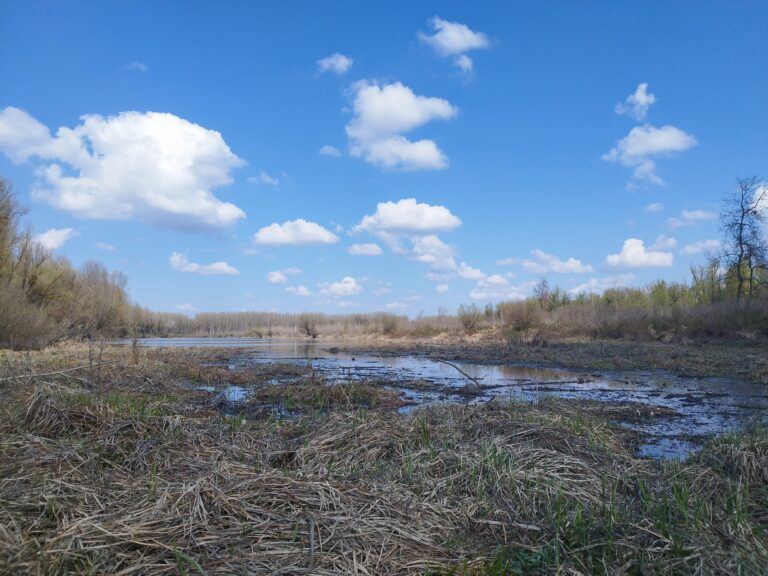
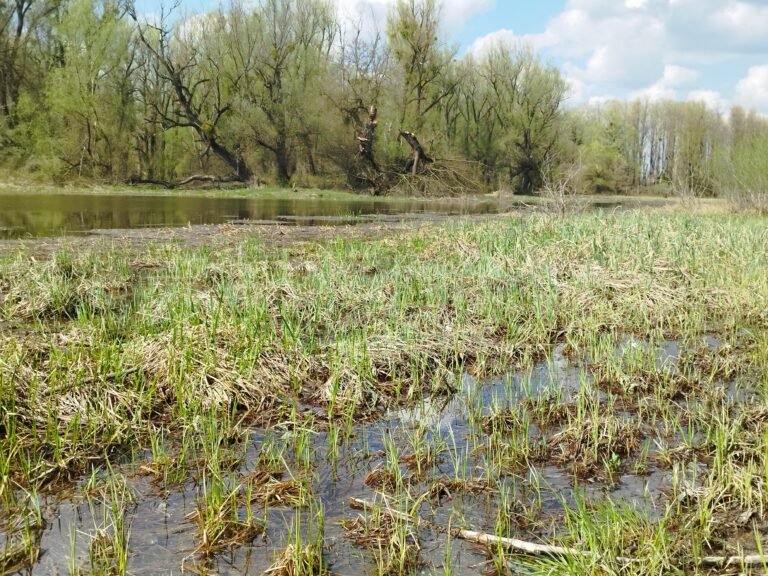
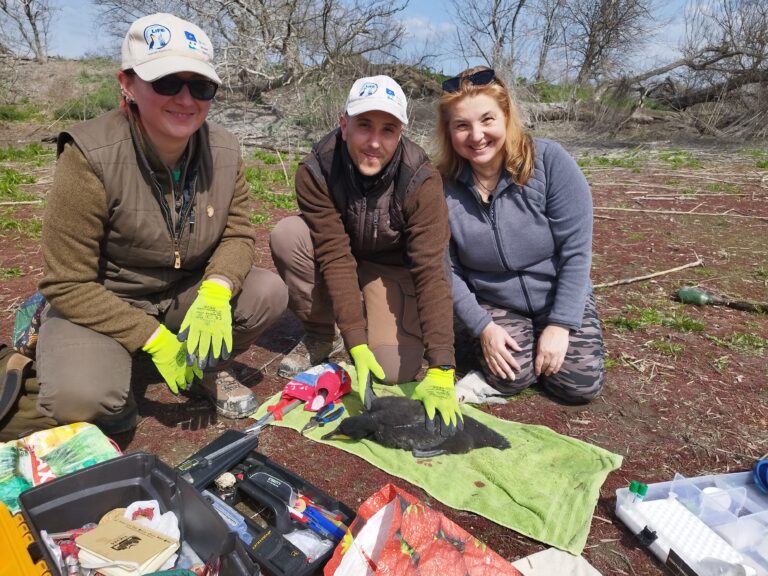
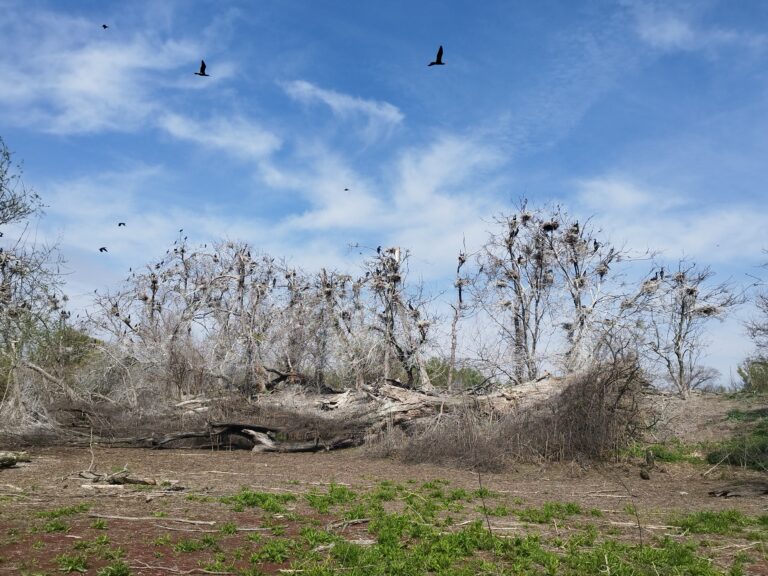
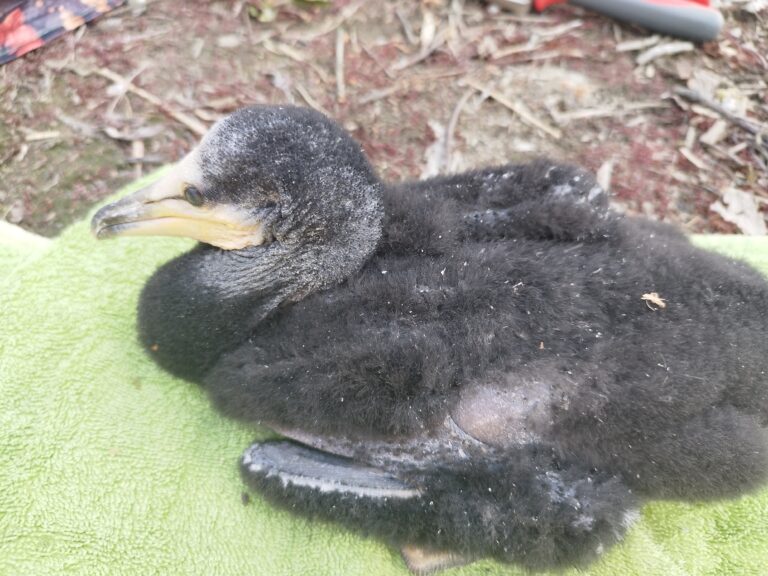
During March 2026, as part of the project “Pollutants as stressors in aquatic and terrestrial ecosystems” (ZASTEK), funded by the European Union under the Next Generation EU programme, research was conducted on the Great Cormorant (Phalacrocorax carbo) colony in Kopački Rit Nature Park. The research was carried out in collaboration with the Public Institution Kopački Rit Nature Park and the Croatian Society for the Protection of Birds and Nature. The study focused on the Sakadaš colony, which, with more than 800 breeding pairs, represents the largest colony of this species in the Danube region. In addition to standard counting of breeding pairs, chick ringing was conducted. During ringing, basic morphometric data were collected, and blood samples were taken to analyse the presence of various pollutants. In addition to blood, pellets (indigestible food remains) and water samples from Lake Sakadaš were collected in order to assess pollutant levels in the environment and to monitor their bioaccumulation through food webs. Great Cormorants are recognised as reliable bioindicators of environmental status, particularly in aquatic ecosystems. As predators within food webs, they accumulate pollutants present in fish and other aquatic organisms, providing insight into the long-term effects of contamination. Analysis of their tissues and excretions enables the assessment of heavy metals, pesticides, and other harmful substances, making this species highly valuable for monitoring the quality and conservation status of habitats in Kopački Rit and the wider Danube region. The research was conducted by Assoc. Prof. Alma Mikuška, PhD, and Tibor Mikuška, MSc in Biology, from the Croatian Society for the Protection of Birds and Nature (licensed bird ringer of the Institute of Ornithology, Croatian Academy of Sciences and Arts), as well as Marija Vereš, MSc in Biology, and Marin Škoro, MSc in Biology, from the expert service of the Public Institution Kopački Rit Nature Park.
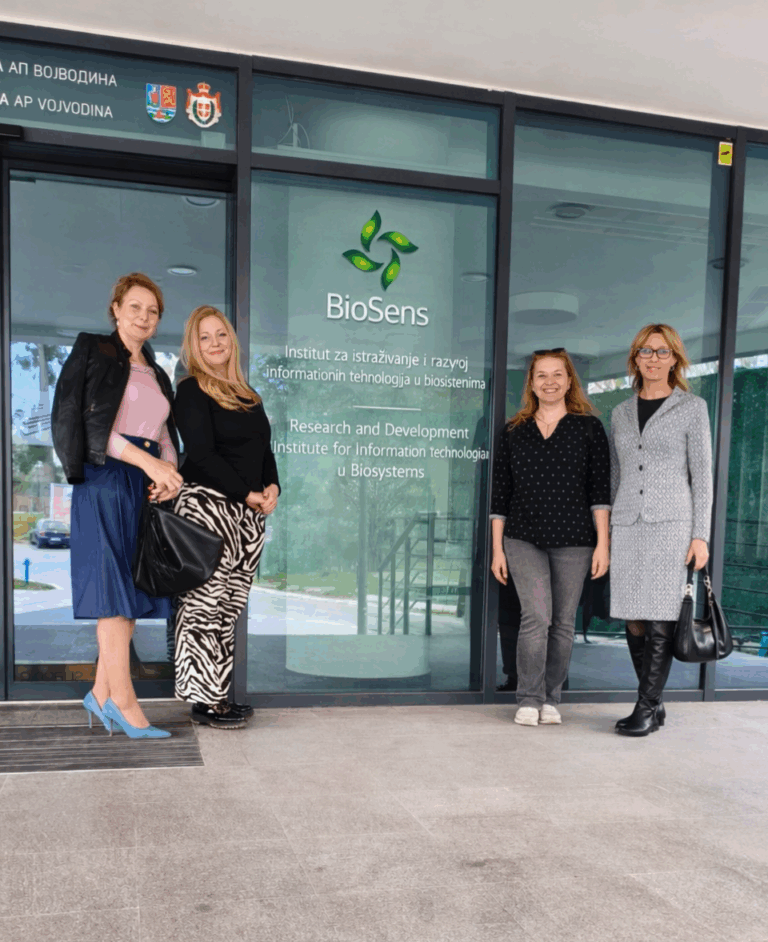
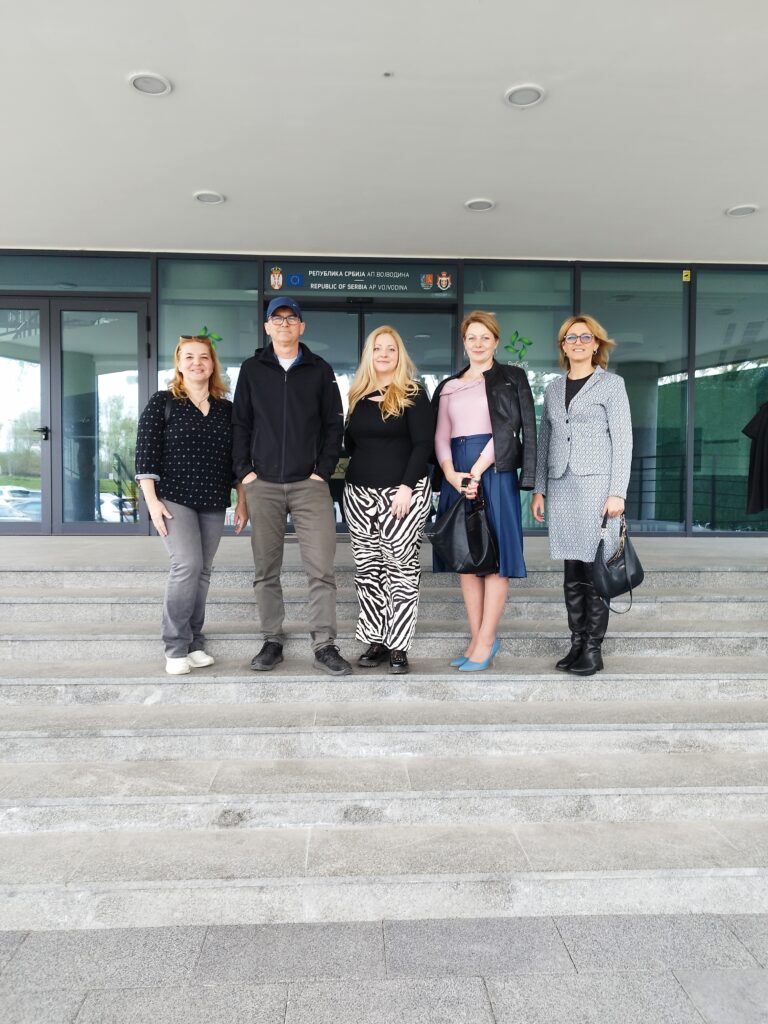
On March 24, 2026, the project team “Pollutants as Stressors in Aquatic and Terrestrial Ecosystems” (ZASTEK) made an important step toward strengthening international scientific collaboration.
The project, funded by the European Union under the Next Generation EU programme, brings together experts dedicated to understanding the impact of pollutants on natural systems and to environmental protection. The project leader, Assistant Professor Alma Mikuška, PhD, together with collaborators Assistant Professor Dora Bjedov, PhD, Associate Professor Mirta Sudarić Bogojević, PhD, and Željko Zahirović, MSc, visited the BioSense Institute in Novi Sad, a leading research and development centre for information technologies in biosystems. During the visit, discussions on potential collaboration were held with Brankica Kartalović, PhD, Senior Research Associate, and Jovana Stanojev, MSc, Research Associate from the BioSense Institute. This meeting was not merely a formal visit, but the beginning of a potentially significant scientific collaboration. The discussions focused on investigating the effects of various environmental pollutants and their bioaccumulation within food webs—a process that plays a key role in understanding the long-term consequences of pollution on ecosystems and human health. Bringing together expertise in ecology and advanced technologies opens new opportunities for developing innovative methods for monitoring and analysing environmental changes. Such collaborations contribute to the creation of sustainable solutions and to strengthening the regional scientific community.
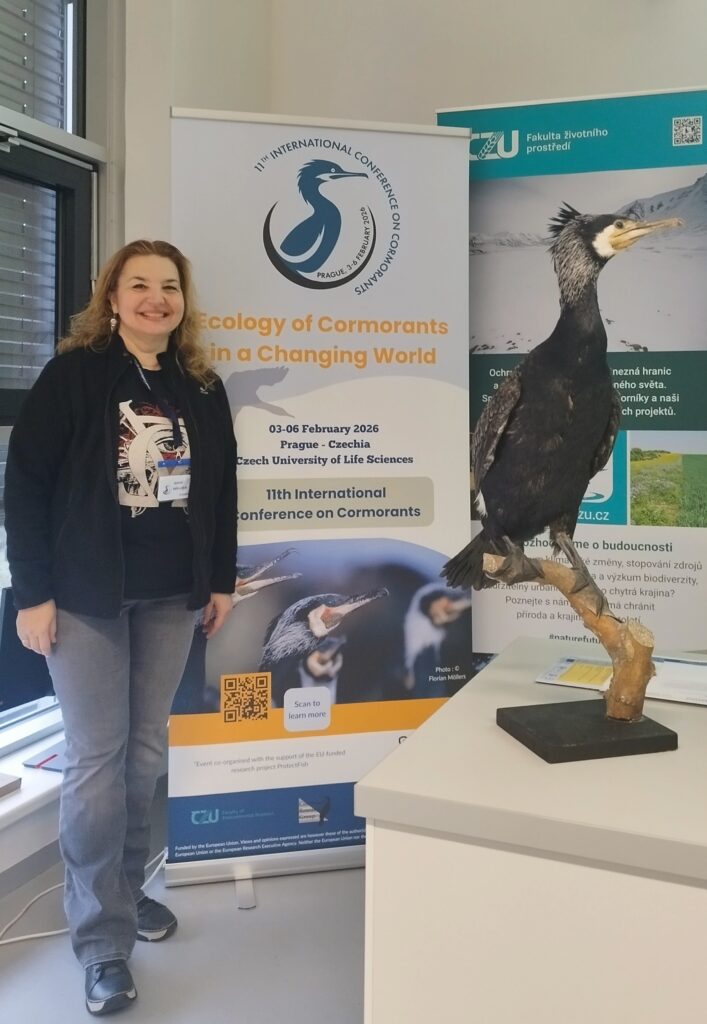
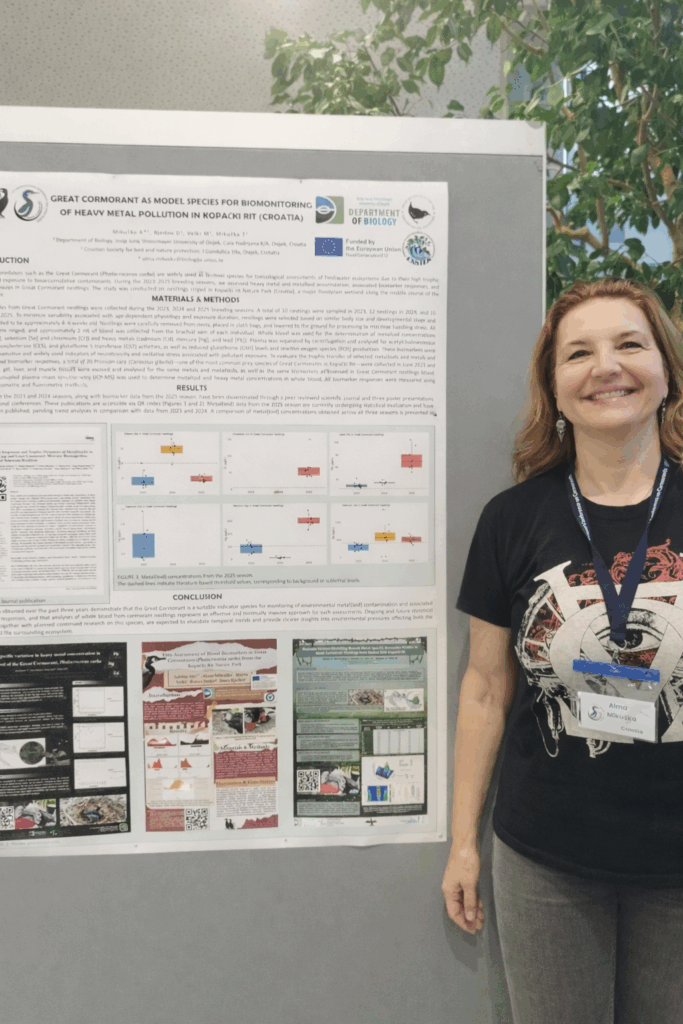
From 3 to 6 February 2026, the 11th International Conference on Cormorants: “Ecology of Cormorants in a Changing World” was held at the University of Natural Sciences in Prague (Czech Republic).
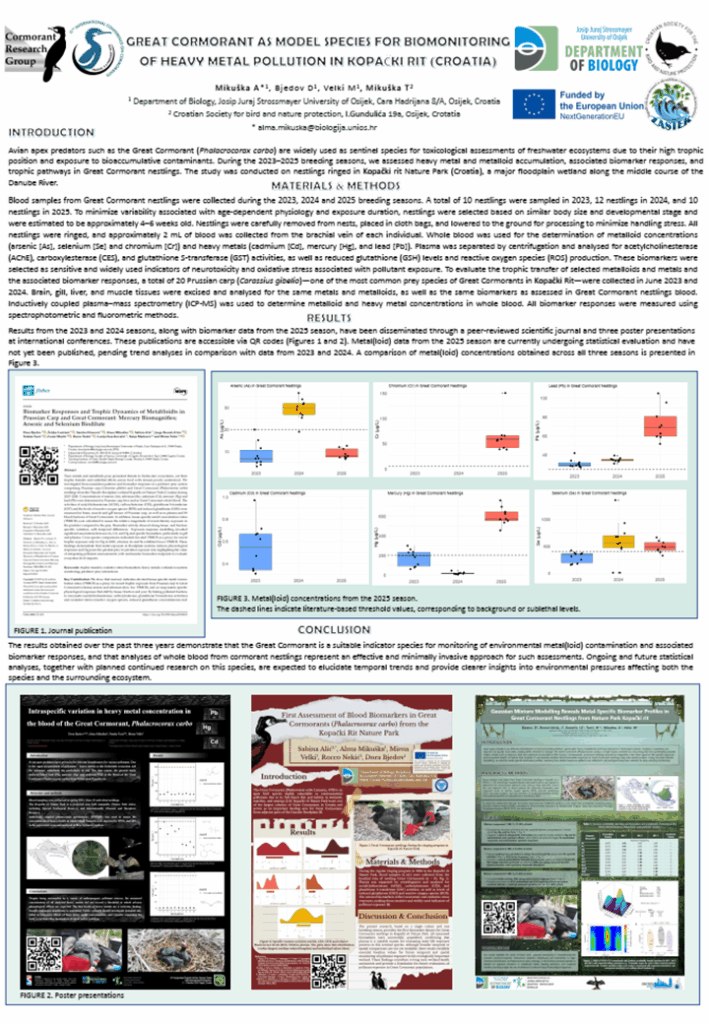
The conference was organized by the Cormorant Research Group (IUCN SSC Cormorant Specialist Group) in cooperation with the EU ProtectFish project. Assoc. Prof. Alma Mikuška, a member of this research group, presented a scientific paper at the conference entitled “The Great Cormorant as a Model Species for Biomonitoring of Heavy Metal Pollution in Kopački Rit (Croatia)” by Assoc. Prof. Alma Mikuška, Assoc. Prof. Dora Bjedov, Prof. Dr. Mirna Velki from the Department of Biology and Tibor Mikuška B.Sc. from the Croatian Society for the Protection of Birds and Nature.
The results of a three-year study of the accumulation of heavy metals and metalloids, and biomarkers of the physiological response of the Great Cormorant (Phalacrocorax carbo) in the Kopački Rit Nature Park were presented. This conference announcement was made within the project: Pollutants as stressors in aquatic and terrestrial ecosystems (ZASTEK), financed by the European Union through the NextGenerationEU program. Participation in the conference enabled the exchange of the latest scientific knowledge about the ecology of cormorants, their role as bioindicators of the state of aquatic ecosystems, and the interactions between cormorant populations and fisheries, which further contributes to international cooperation and research development of this ecologically significant group of birds.
You can view the book of abstracts and the conference program on the website: https://cormorant2026.cz/
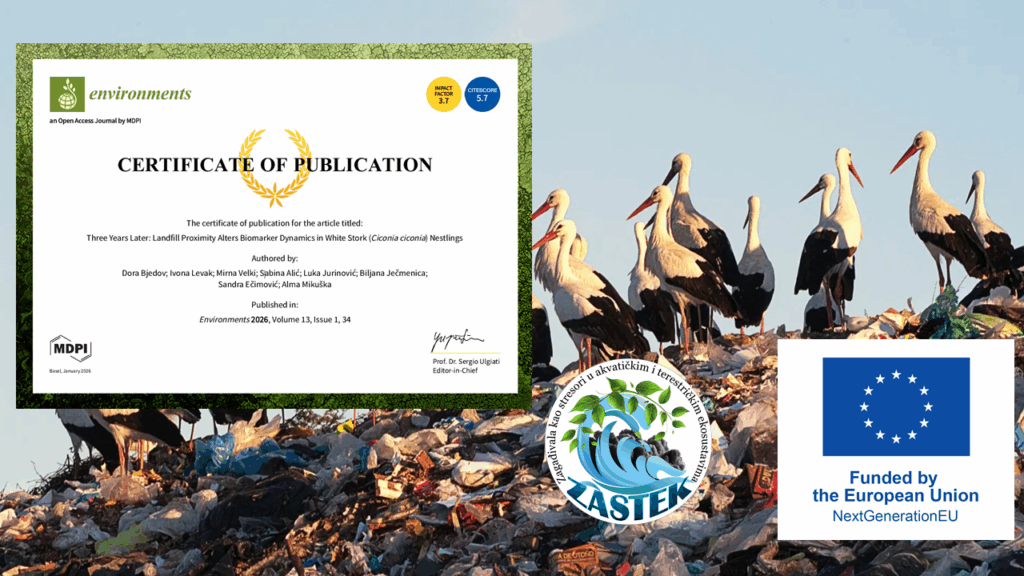
We are proud to share the news about the scientific results achieved within the ZASTEK project (Pollutants as stressors in aquatic and terrestrial ecosystems), financed by the European Union through the NextGenerationEU program.
The research results were published in the scientific journal Environments (Q1, IF 3,7) in the paper: Bjedov, D., Levak, I., Velki, M., Alić, S., Jurinović, L., Ječmenica, B., Ečimović, S. & Mikuška, A. (2026). Three Years Later: Landfill Proximity Alters Biomarker Dynamics in White Stork (Ciconia ciconia) Nestlings. The topic of the research was white storks (Ciconia ciconia) nesting at the Jakuševec landfill (Zagreb), which, although partially rehabilitated, forms a specific urban habitat. The analysis of various biochemical indicators in birds over a three-year period provided valuable insight into how long-term, low-level exposure to pollutants can affect the physiological balance of organisms. The results show that, despite the growth and stability of the white stork colony on Jakuševac, subtle physiological responses indicating the presence of environmental stressors persist. This clearly highlights the importance of long-term ecotoxicological monitoring, especially in urban landscapes. This work represents a significant contribution to the understanding of the relationship between wildlife and the human-impacted environment and confirms how interconnected science, nature conservation and sustainable environmental management are
💚 👉 The full paper is available via the DOI link: https://doi.org/10.3390/environments13010034
We thank all collaborators and partners for their contribution to this important research!
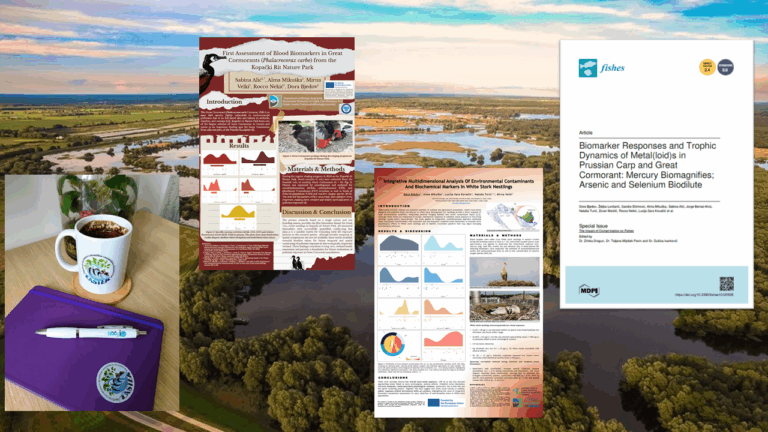
The results of the ZASTEK project (Contaminants as Stressors in Aquatic and Terrestrial Ecosystems) were presented in two conference papers at the 15th Croatian Biological Congress held from 20 to 23 November 2025.
Bjedov, Dora; Mikuška, Alma; Kovačić, Lucija Sara; Turić, Nataša; Velki, Mirna. Integrative Multidimensional Analysis Of Environmental Contaminants And Biochemical Markers In White Stork Nestlings (2025) Book of Abstracts of the 15th Croatian Biological Congress. Bosak, Sunčica; Gračan, Romana; Korać, Petra (eds.). Zagreb: Hrvatsko biološko društvo, pp. 288-289.
Alić, Sabina; Mikuška, Alma; Velki, Mirna; Nekić, Rocco; Bjedov, Dora.First Assessment of Blood Biomarkers in Great Cormorants (Phalacrocorax carbo) From the Kopački Rit Nature Park. (2005) Book of Abstracts of the 15th Croatian Biological Congress. Bosak, Sunčica; Gračan, Romana; Korać, Petra (eds.). Zagreb: Hrvatsko biološko društvo, pp. 286-287.
Published 10.12.2025 in the journal Fishes (Q1; IF 2,4). Bjedov, D.; Lončarić, Ž.; Ečimović, S.; Mikuška, A.; Alić, S.; Bernal-Alviz, J.; Turić, N.; Marčić, Z.; Nekić, R.; Kovačić, L.S.; et al. Biomarker Responses and Trophic Dynamics of Metal(loid)s in Prussian Carp and Great Cormorant: Mercury Biomagnifies; Arsenic and Selenium Biodilute. Fishes 2025, 10, 635.
👉 The full paper is available via DOI link: https://doi.org/10.3390/fishes10120635
We thank all collaborators and partners for their contributions to this important research!
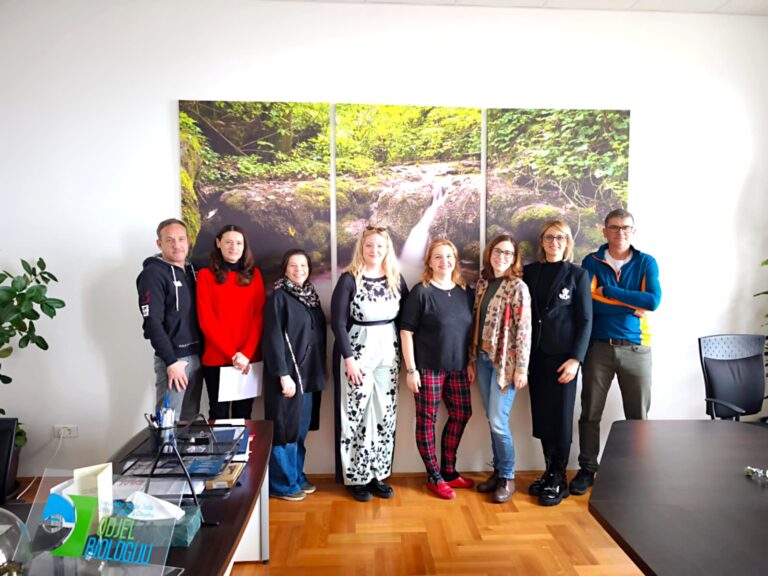
The first meeting of the research team of the ZASTEK project – Pollutants as stressors in aquatic and terrestrial ecosystems was held On December 11, 2025.
The ZASTEK project is funded under the National Recovery and Resilience Plan 2021–2026 program. Since there is no systematic monitoring of pollutant bioaccumulation in Croatia, this project aims to establish systematic biomonitoring by analyzing the accumulation of pollutants and biomarkers in different types of aquatic and terrestrial ecosystems. This will enable the adoption of more effective environmental protection measures. Also, the data obtained can be used as a scientific basis for the design of environmental policies, regulations and monitoring systems in accordance with European Union directives and international guidelines. The project is funded by the European Union through the NextGenerationEU program and lasts 48 months (1.10.2025. – 1.10.2029.). The team members are: prof. dr. sc. Mirna Velki, assoc. prof. dr. sc. Sandra Ečimović, Assoc. Prof. Dr. Sc. Mirta Sudarić Bogojević, Assoc. Prof. Dr. Sc. Lidija Kalinić, Assoc. Prof. Dr. Sc. Dora Bjedov, Assoc. Prof. Dr. Sc. Mislav Kovačić, M. Sc. Željko Zahirović and Assoc. Prof. Dr. Sc. Alma Mikuška, who is also the team leader. The aim of the project is to investigate the impact of pollutants as stressors in aquatic and terrestrial ecosystems and to assess their impact by measuring the effects on different animal species of aquatic and terrestrial ecosystems.